Welcome to our comprehensive guide on the cost to build a sunroom on the Kapiti Coast. Whether you’re dreaming of creating an inviting outdoor space, extending your living space, or adding a peaceful retreat to your home, this guide will help you understand pricing, permits, materials, and budgeting tips tailored specifically for Kapiti Coast homeowners. Dive in to make informed decisions and plan your perfect sunroom with confidence!
Key Takeaways
If you’re a Kapiti Coast homeowner planning a sunroom in 2026, here’s what you need to know before picking up the phone to call a builder.
- Realistic local price ranges show basic 10–12m² sunrooms across the Kapiti Coast typically cost around $28,000–$40,000, mid range builds of 15–20m² run $40,000–$65,000, and high-spec insulated sunrooms can exceed $70,000 depending on design complexity and material costs.
- Kapiti’s coastal climate and high wind zones mean your new sunroom needs stronger structural specs and better glazing than many other regions, which adds to the overall cost but delivers genuine year round comfort.
- Building consent is usually required for most fully enclosed sunrooms on the Kapiti Coast, with council fees, design work, and engineering adding $3,000–$8,000+ to your final price.
- Always add a 10–20% contingency to your realistic budget and get 2–3 quotes from sunroom builders based locally who understand Kapiti’s wind and corrosion challenges.
- Costs vary depending on site conditions, existing structure integration, and whether you’re after a three-season peaceful retreat or a fully insulated extra room for year round use.
What Is A Sunroom (On The Kapiti Coast) And How Much Does It Cost?
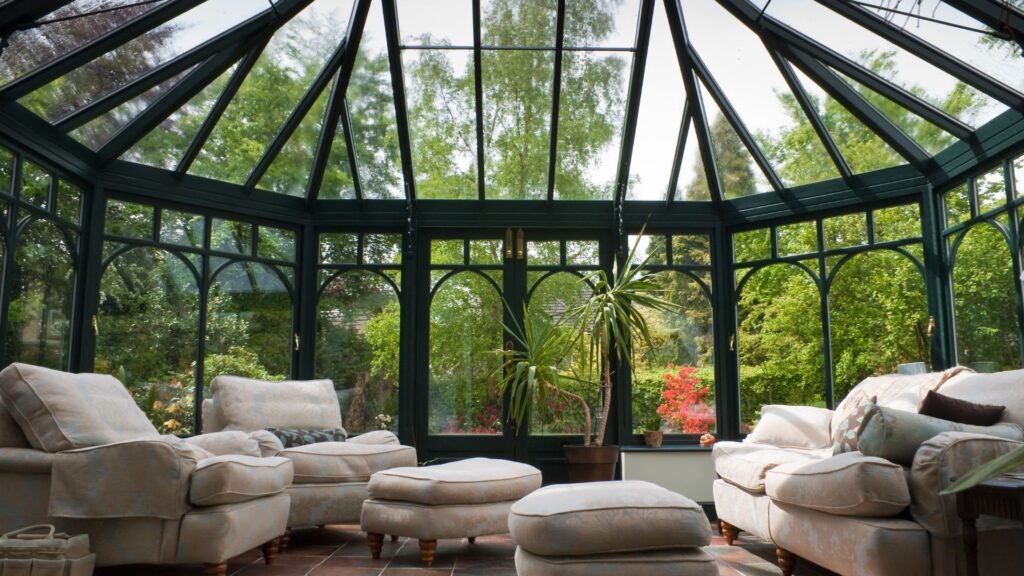
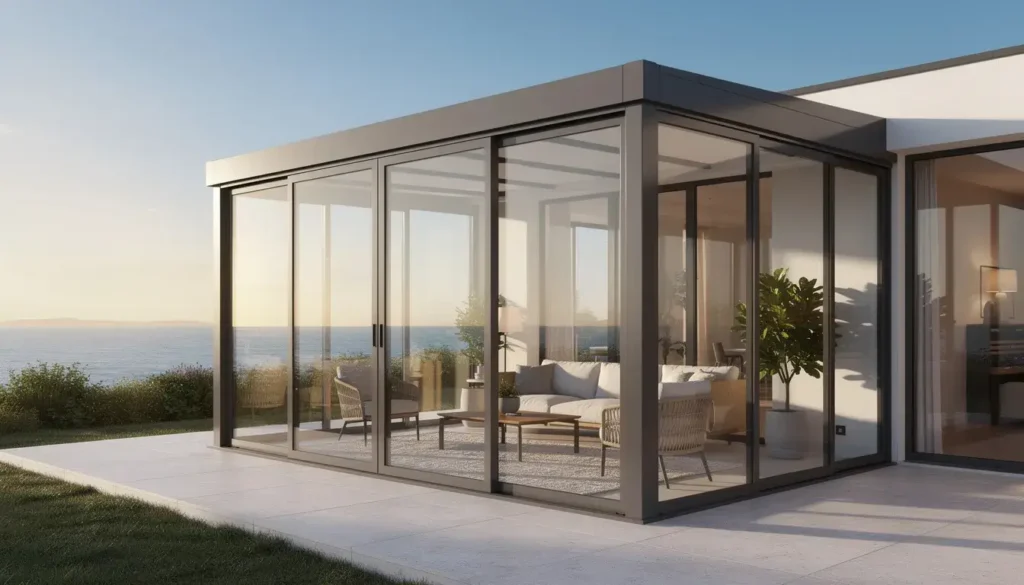
A sunroom in New Zealand terms is an enclosed, light-filled living space attached to your house. Unlike a full conservatory packed with glass panels from floor to ceiling, a Kapiti sunroom typically serves as an extra lounge, dining area, or hobby room that captures natural light while providing shelter from the elements.
Many homeowners in Paraparaumu, Waikanae, Raumati, and Ōtaki use sunrooms to make the most of winter sun, escape the sea breeze, and extend their living space without committing to a full renovation project. It’s not just an extension—it’s an inviting space that bridges your indoor and outdoor space.
For 2025–2026 on the Kapiti Coast, expect these cost ranges:
| Build Type | Cost Per m² | Typical Total (12m²) |
|---|---|---|
| Basic aluminium and glass | $2,300–$3,200 | $28,000–$38,000 |
| Mid-range insulated | $2,800–$3,800 | $34,000–$46,000 |
| High-spec, all-season | $3,000–$4,500+ | $36,000–$54,000+ |
Here’s a practical example: a straightforward 12m² lean-to sunroom in Paraparaumu, built off an existing concrete patio, typically costs roughly $30,000–$38,000 including building consent and basic finishing.
Sunrooms are usually cheaper than full-room additions because they often use lighter structures and simpler foundations. However, proper insulation and engineering are crucial in Kapiti’s high-wind environment—cutting corners here creates problems you’ll regret.
What Drives The Cost Of A Sunroom On The Kapiti Coast?
Understanding the key factors that influence sunroom pricing helps you make informed decisions before committing to a project. Let’s break down what actually determines whether your build lands at the lower or upper end of the price range.
The main cost drivers for Kapiti sunrooms include:
- Size and shape of the sunroom footprint
- Type of structure (aluminium, timber, or hybrid frames)
- Glazing and roofing choices (single vs double glazed windows, polycarbonate vs insulated panels)
- Site conditions (flat vs sloping, building over existing deck or new foundations)
- Thermal performance level (three-season vs year round comfort)
Localised cost influences specific to the Kapiti Coast include:
- “Very high” and “extra high” wind zones in some streets requiring superior insulation and stronger fixings
- Coastal exposure causing salt corrosion that demands low maintenance materials
- Wetter winter months affecting build scheduling and potentially extending timelines
Labour rates across the Kapiti Coast are often slightly lower than central Wellington, but they can spike during busy summer periods. This affects both quotes and how long you’ll wait for your local builder to start.
Design complexity—bifold doors, large sliders, skylights, or tricky connections to your existing roofline—can push a project from the lower to upper end of the price range quickly.
Size, Layout, And Design Complexity
Most Kapiti sunrooms fall between 10m² and 25m². Small infill builds sit at the cheaper end per square metre, while larger open-plan extensions can sometimes be slightly cheaper per m² overall due to economies of scale.
Simple lean-to sunrooms (rectangular, single-slope roof, minimal corners) cost considerably less than L-shaped or wrap-around designs requiring more materials, extra framing, and complex flashing work.
Here’s how design complexity affects your budget:
| Design Type | Size | Approximate Cost | Cost Per m² |
|---|---|---|---|
| Simple rectangular lean-to | 10m² | $28,000–$35,000 | $2,800–$3,500 |
| L-shaped with multiple corners | 20m² | $70,000–$85,000 | $3,500–$4,250 |
The big difference comes down to corners, roof junctions, and custom flashings. Each corner adds labour time and materials. Each roof junction increases the risk of weather-tightness issues if not done properly.
Optimise your size to avoid triggering overly complex engineering or major foundation upgrades, while still creating a usable space for a dining table, sofa, or hobby area.
Structure, Glazing, And Roofing Choices
The structure you choose affects both upfront costs and long-term maintenance across the Kapiti Coast.
Framing options:
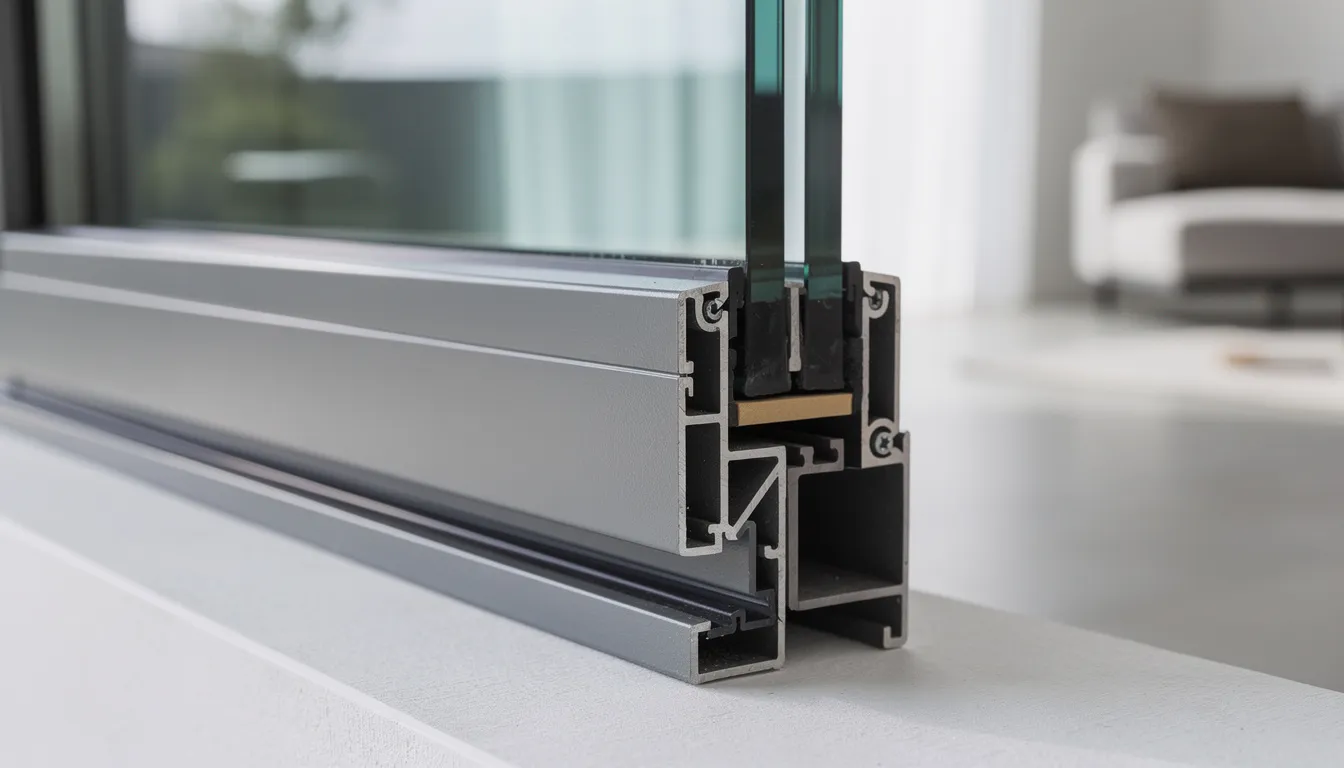
- Powder-coated aluminium – low maintenance, excellent corrosion resistance, ideal for coastal properties
- Timber framing – warmer aesthetic but requires more upkeep (5-year repaint cycles)
- Hybrid systems – insulated panels plus glass for balanced performance
Glazing choices and rough cost impacts:
| Glazing Type | Cost Range | Performance |
|---|---|---|
| Single glazing | Cheapest | Poor winter performance, three-season only |
| Standard double glazing | Mid-range | Good insulation, suits most builds |
| Low E glass with argon fill | Premium | Excellent thermal control, energy efficient |
| Tinted or laminated | Premium | Glare reduction, noise control |
Roofing options suitable for Kapiti:
- Polycarbonate – budget option, can run hot in summer
- Insulated panel roofs (Bondor-style) – excellent thermal performance
- Glass roofs with solar coating – maximum light but requires shading systems
High-performance glazing and insulated roofing increase upfront material costs but significantly improve winter comfort and reduce heating bills. Given Kapiti’s windy coastal conditions, this investment often pays for itself.
Don’t overlook corrosion-resistant hardware and fasteners. Properties close to the beach in Raumati and Paekākāriki especially need premium materials to prevent salt damage.
Site Conditions And Access On Kapiti Properties
Kapiti’s varied topography makes a big difference to foundation costs. Flat sections in Paraparaumu are straightforward, while sloping sites above Paekākāriki may need retaining work, piles, or stepped foundations.
Building over an existing deck or concrete patio can sometimes lower costs—but only if the existing structure complies with current NZ Building Code requirements. Many older decks simply weren’t built to support an enclosed room.
Factors that increase site preparation costs:
- Difficult vehicle access requiring manual material handling
- Tight backyards limiting equipment use
- Steep paths increasing labour time
- Poor ground conditions requiring piling ($2,000–$8,000 extra)
- High water tables needing drainage upgrades
Sandy soils common in coastal Kapiti areas often require geotechnical assessment and deeper foundations than standard residential builds.
Thermal Performance, Wind Zone, And Weather Exposure
Kapiti’s climate demands respect. Strong northerly and southerly winds, salt exposure, and high UV levels drive the need for stronger fixings and better weatherproofing than you’d need in sheltered urban areas.
Wind zone classification directly influences engineering requirements. Kapiti ranges from medium wind zones inland to very high zones on exposed coastal sites. This affects:
- Roof tie-down specifications
- Glass panel sizing and thickness
- Frame bracing requirements
- Foundation depth
Insulation strategies for year round comfort include:
- Insulated roof panels (not just polycarbonate)
- Thermally broken aluminium frames
- Double glazed windows as minimum
- External blinds or louvres to control summer heat
- Roof overhangs to shade glass from direct sun
Higher-spec thermal and structural design adds cost upfront but makes the space genuinely usable in winter and protects your investment long term. Without these, you’re building a sunny spot that becomes uncomfortable for half the year.
Typical Sunroom Cost Ranges On The Kapiti Coast
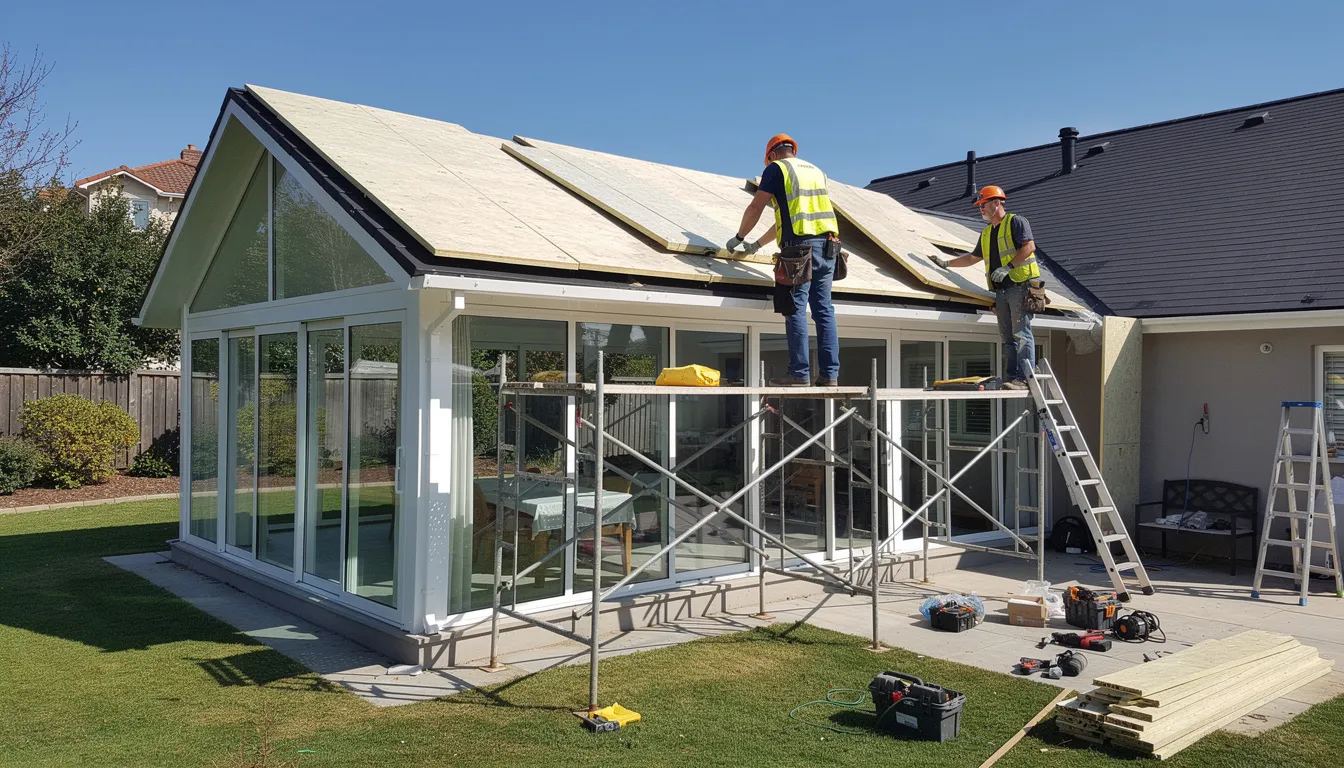
These are realistic 2025–2026 ballpark figures for Kapiti Coast projects, exclusive of land and large-scale landscaping. Prices vary depending on builder, material choices, and site conditions—treat these as starting points for discussions with local contractors.
Basic Kapiti Sunroom: From Around $28,000–$40,000
A typical basic build includes:
- Roughly 10–12m² lean-to design attached to the north or west side of the house
- Powder-coated aluminium frame
- Standard double-glazed sliders
- Polycarbonate or simple insulated panel roof
- Basic concrete or timber subfloor
- Simple lighting and power outlets
- Standard linings if fully enclosed
Limitations: May run hot in summer and cooler in winter if thermal performance is modest. Think of this as more of a three-season room rather than fully year round comfort.
Example: A 3m x 4m aluminium-framed sunroom built over an existing compliant deck in Waikanae comes in around $32,000 including Kapiti Coast District Council consent fees.
Mid-Range Kapiti Sunroom: Around $40,000–$65,000
Mid range builds step up significantly in quality and comfort:
- 15–20m² footprint
- Higher-quality aluminium or timber frame
- Full double glazing with low e glass options
- Insulated panel roof
- Better integration with existing cladding and roofline
- Upgraded flooring (laminate or engineered timber)
- More electrical work and downlights
- Possibly a small heat pump or connection to existing heating
Mid range builds are typically comfortable most of the year and blend more seamlessly with your house aesthetics. The extra investment in energy efficiency pays dividends every winter.
Example: A 4m x 4.5m sunroom off a dining area in Paraparaumu Beach, with insulated roof panels and low e glass, costs about $55,000 including design, consent, and basic finishes.
High-Spec, All-Season Sunroom: $65,000–$90,000+ On Kapiti
For those wanting a premium materials build with no trade offs:
- 20–25m² or more custom builds
- Engineered connections to the house
- High-spec insulated glazing with thermally broken frames
- Premium insulated roofing
- Large stacking sliders or bifold doors
- Tiled or polished concrete floor with underfloor heating
- Integrated shading systems and feature lighting
This level often requires more extensive engineering due to large glass areas and Kapiti’s wind conditions. Engineering and design complexity contributes to higher consent costs.
Example: A 5m x 5m architect-designed sunroom in Raumati South, with low e glass argon-filled glazing, underfloor heating, and high quality materials totals around $80,000–$95,000.
What’s Usually Included – And Not Included – In Kapiti Sunroom Quotes
Many homeowners underestimate exclusions in their building expenses, leading to budget surprises. Different Kapiti builders include different line items in their “sunroom package,” so always request a detailed scope before comparing quotes.
Common Inclusions In Sunroom Pricing
Typical inclusions in a comprehensive quote:
- Structural framing and roof
- Wall cladding and weatherproofing
- Glazing, glass panels, and doors
- Internal linings
- Basic insulation
- Standard electrical work (power points and basic lighting)
- Consent drawings (if design-and-build service)
Some Kapiti companies include basic floor coverings (vinyl or carpet tiles) and painting, while others quote these separately.
Standard quotes may cover basic site preparation where the ground is flat and easily accessible, but not major earthworks.
Important: Confirm whether engineering calculations and producer statements (PS1, PS4) are included. These are often needed due to Kapiti’s wind loads and can cost $1,000–$3,000 if quoted separately.
Common Exclusions And Extra Costs To Watch For
Hidden costs that frequently catch homeowners off guard:
| Common Exclusion | Typical Cost Range |
|---|---|
| KCDC building consent fees | $1,500–$3,000 |
| Resource consent (if required) | $1,000–$5,000 |
| Major earthworks | $2,000–$10,000+ |
| Retaining walls | $3,000–$15,000+ |
| Existing deck modification/demolition | $1,500–$5,000 |
| Complex roof tie-ins | $2,000–$5,000 |
Interior extras often quoted separately:
- Heating/cooling systems
- High-end lighting
- Custom joinery
- Blinds and window furnishings
- Premium flooring
Ask specifically about corrosion-resistant upgrades and flashing details—these can attract unexpected expenses on coastal Kapiti properties.
Clarify whether post-completion tasks like landscaping, exterior steps, handrails, and paths are included. Most builders leave these to the homeowner, adding to your overall cost.
Kapiti Coast Consents, Regulations, And Timeframes
Under NZ building codes, most enclosed sunrooms are considered building work requiring consent. Early contact with a designer or builder experienced with Kapiti Coast council regulations can shorten timelines and reduce redesign costs.
When Do You Need A Building Consent For A Sunroom?
Most fully enclosed Kapiti sunrooms larger than minor alterations need a building consent under the NZ Building Act.
Common triggers requiring consent:
- Altering existing load-bearing walls
- Extending the footprint of the house
- Changing egress paths
- Adding new roofs tied into the main dwelling
- Enclosures over 10m²
- Heated spaces requiring electrical work
Exemptions apply only for specific situations and small, simple structures. Check current guidance on the Kapiti Coast District Council website or consult a licensed building practitioner.
In some coastal or character areas, resource consent or additional assessments may be needed, affecting both cost and timeframe.
Consent, Design, And Engineering Costs On The Kapiti Coast
Professional and council fees add up. Budget for: home improvement costs and tips.
| Service | Typical Cost Range |
|---|---|
| Concept plans and detailed drawings | $2,000–$5,000 |
| Structural engineering | $1,000–$3,000+ |
| KCDC building consent | $1,500–$3,000 |
| Inspections and documentation | $500–$1,500 |
For a typical sunroom kapiti coast project, budget a combined $3,000–$8,000 for all professional and local council fees to avoid shortfalls.
Custom shapes, large glass areas, or non-standard foundations push engineering costs toward the higher end.
Typical Timeframes: From Idea To Finished Sunroom
Plan for a total project timeline of 3–6 months:
| Phase | Duration |
|---|---|
| Design and pricing | 3–6 weeks |
| Consent processing | 4–8 weeks |
| Construction | 3–8 weeks |
Weather and wind on the Kapiti Coast can cause short delays during construction, particularly for roofing and glazing installation. The wettest months aren’t ideal for starting major external work.
Ordering specialised glazing or insulated panels might extend lead times by 2–4 weeks, so planning ahead with your local builder is essential.
How To Budget Accurately For A Kapiti Sunroom
This section provides practical budgeting tips for Kapiti homeowners, designed to complement the earlier cost ranges with a step-by-step approach.
Use Per-Square-Metre As A Starting Point Only
Use $2,500–$4,000 per m² as an initial calculator depending on specification. But don’t stop there.
Worked example:
- 16m² mid-range sunroom × $3,200 per m² = $51,200
- Add design and consent allowance: $5,000
- Add contingency (15%): $8,400
- Realistic budget: $64,600
Smaller, intricate builds often have a higher per-m² cost than larger rectangular designs with clean lines. A 10m² complex build might cost more per square metre than a 20m² simple one.
Revise your estimate after receiving at least two detailed quotes from Kapiti-based builders or specialist sunroom companies like Alfresco Innovations.
Plan For Council, Professional, And Utility Costs
Beyond construction, your budget should include:
- Design and drafting
- Engineering calculations
- Consent lodgement and inspection fees
- Potential re-inspection if changes are made
- Extending electrical circuits
- Heat pump installation
- Potential switchboard upgrade in older Zealand homes
Allocate a separate budget line for window furnishings or shading systems. With large glass areas, quality blinds can cost $2,000–$5,000.
Ask for itemised quotes rather than a single lump sum. This improves transparency and helps you spot where to save money without cutting corners on essentials.
Add A 10–20% Contingency For Kapiti Projects
Hidden issues are common in older Kapiti housing stock:
- Rotten decks that need replacement
- Non-compliant balustrades requiring upgrade
- Poor ground conditions or uneven terrain
- Drainage problems only discovered during excavation
Contingency recommendations:
- Straightforward builds on flat, accessible sites: 10–15%
- Complex or steep sites: 15–20%
Quick example: On a $50,000 estimated project—such as designing a conservatory on the Kapiti Coast—set aside $5,000–$10,000 to cover unexpected costs without halting work.
Unused contingency can be allocated later to optional features like better blinds, heating upgrades, or finishing touches that transform your extra space into something special.
Ways To Reduce Sunroom Costs On The Kapiti Coast Without Sacrificing Quality
These are practical ways to cut costs while respecting Kapiti’s local conditions and NZ Building Code standards. Never compromise on structural safety, weather-tightness, or compliance just to save a few thousand dollars.
Simplify The Design And Keep The Footprint Efficient
Smart choices at the design stage make the biggest difference to your final price:
- Choose a simple rectangular layout with a lean-to roof instead of custom shapes or multi-level structures
- Size the sunroom to fit standard material lengths and window sizes (reducing waste and custom fabrication)
- Integrate where the existing structure is easiest to tie into—off the living room or dining area with minimal roof intersection
- Reduce the number of corners, roof junctions, and custom flashings
Every corner adds cost. Every unusual angle requires more materials and labour. Simple doesn’t mean boring—it means smart.
Choose Smart, Cost-Effective Materials Suited To Kapiti’s Climate
Material selection affects both upfront costs and long-term maintenance:
- Use durable aluminium frames with quality powder coat suitable for coastal exposure—not the absolute cheapest options that will corrode in salt air
- Consider insulated panel roofing instead of full glass roofs (reduces cost, prevents overheating, still allows large glazed walls)
- Use standard double glazing with selective low e glass on sun-exposed elevations if full low e glass throughout exceeds budget
- Invest in good flashing details and fixings upfront—preventing leaks and corrosion issues is cheaper than fixing them later
PVC sunrooms, available from specialists like Alfresco Innovations, offer superior insulation and retain heat better than basic aluminium in Kapiti’s humidity.
Stage Upgrades And Consider Limited DIY Where Appropriate
You can save money without cutting corners through careful planning:
- Interior finishing, painting, and some landscaping can be done by capable homeowners
- Leave structural and compliance-critical work to licensed professionals
- Stage luxuries (custom blinds, premium flooring, integrated systems) until after the core build is complete
- Run extra conduit or framing now for future add-ons
Discuss staging strategies with your builder so future upgrades are easily accommodated. Any DIY work affecting structure, weathertightness, or electrical work must comply with NZ regulations.
Getting multiple quotes from Kapiti sunroom builders ensures you understand regional differences in pricing and can make informed decisions about where to invest your budget.
FAQs: Cost To Build A Sunroom On The Kapiti Coast
How much value will a sunroom add to my Kapiti Coast home?
While exact figures vary depending on suburb and market conditions, a well-designed, fully consented sunroom that reads as genuine extra living space can improve resale appeal significantly. Industry estimates suggest 10–20% property value uplift for quality additions, with popular areas like Waikanae Beach and Raumati South seeing strong buyer interest in homes with extended living spaces. A sunroom isn’t just an extension—it’s an investment in how buyers perceive your home.
Can I build a sunroom on my existing deck?
Many homeowners across the Kapiti Coast do this, but success depends on your deck’s current condition. The size, footing depth, and bracing must meet current NZ Building Code requirements for supporting an enclosed room. In many cases, extra foundations or strengthening work are required. Have a builder or engineer assess your deck before assuming it’s suitable—rebuilding foundations mid-project creates unexpected expenses.
Do I need to move out while the sunroom is being built?
For most sunroom projects, you can stay in your Kapiti home with only short-term disruption near the connection area. Noise, dust, and temporary loss of access to one part of the house are normal. Only extensive internal reconfiguration requiring removal of existing walls or services might require temporary relocation.
Is a sunroom cheaper than a full extension on the Kapiti Coast?
Generally yes. A sunroom is usually more cost-effective because it often uses lighter structures, simpler foundations, and basic finishes compared to a conventional extension. However, high-spec, fully integrated designs with underfloor heating, premium materials, and extensive glazing can approach extension-level costs. The gap narrows when you want an energy efficient year round space rather than a basic three-season room.
Can I use my Kapiti sunroom year round?
With appropriate insulation, double glazed windows, draft control, and some form of heating, a Kapiti sunroom can be comfortable most of the year. Budget-level builds with basic finishes and minimal thermal upgrades may feel too hot in midsummer and cool in midwinter without additional measures. Investing in energy efficient glazing and insulated roofing during construction is far cheaper than retrofitting later. Careful planning now means year round comfort for decades.
Conclusion
Building a sunroom on the Kapiti Coast is a fantastic way to enhance your home’s living space, create an inviting outdoor retreat, and increase your property’s value. By understanding the cost to build a sunroom Kapiti Coast homeowners face—including factors like design complexity, material costs, site preparation, and council regulations—you can plan a realistic budget and avoid unexpected expenses.
Whether you choose a basic three-season sunroom or a high-spec, fully insulated all-year-round space, careful planning and working with experienced local builders such as Alfresco Innovations will ensure your project meets both your lifestyle needs and the unique challenges of Kapiti’s coastal environment.
Remember to obtain multiple detailed quotes, factor in council fees and building consents, and include a contingency buffer to cover unforeseen costs. With smart choices in design and materials, you can create a beautiful, energy-efficient sunroom that offers year-round comfort and becomes a peaceful retreat for your family.
Use this complete guide as your go-to resource for navigating the process and making informed decisions. Your dream sunroom on the Kapiti Coast is within reach—start planning today!