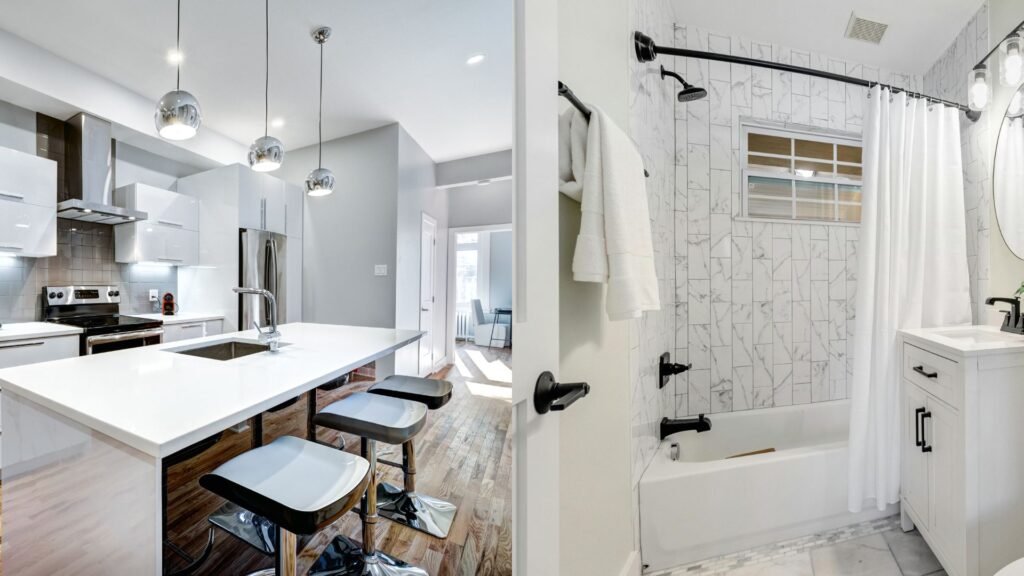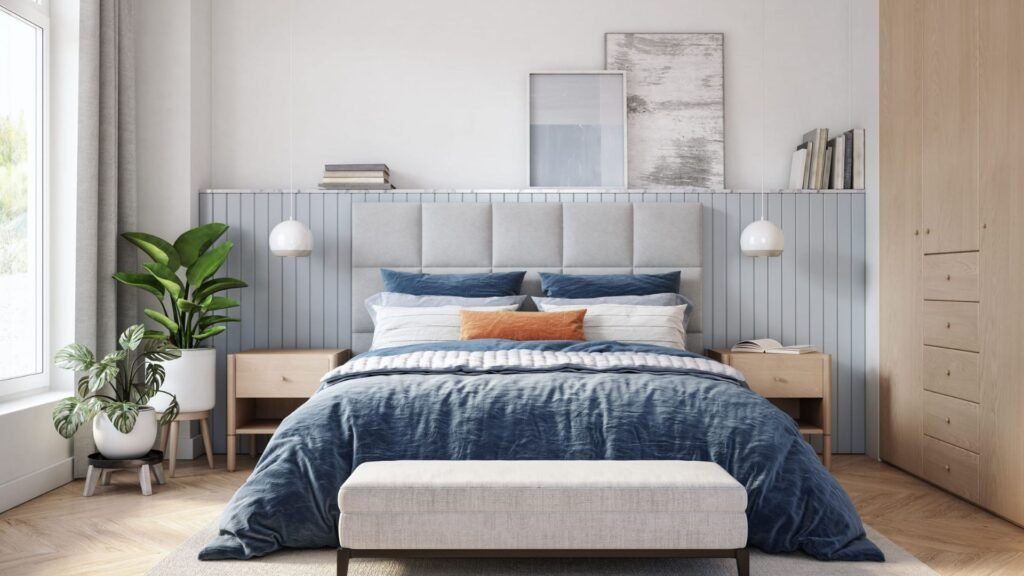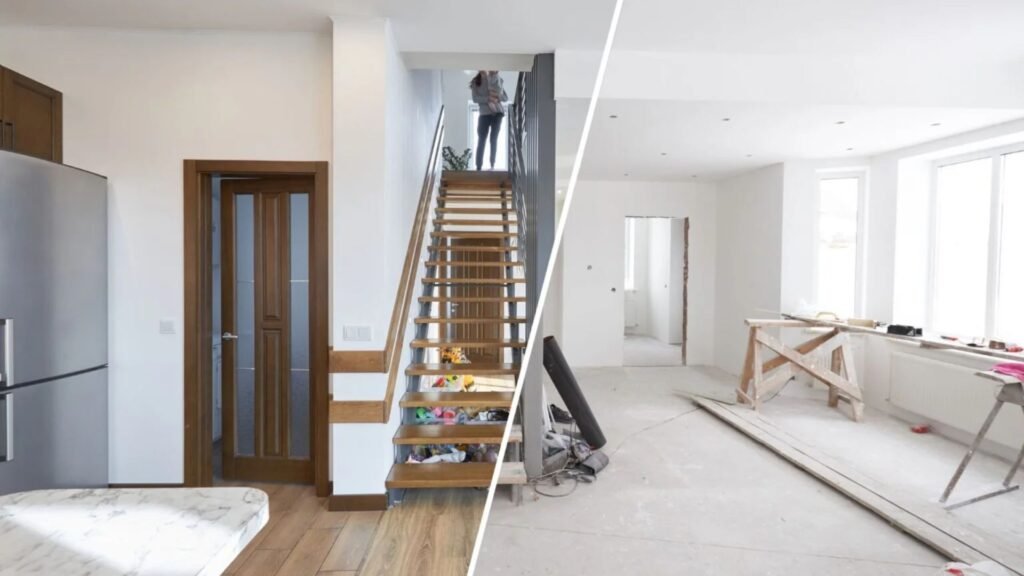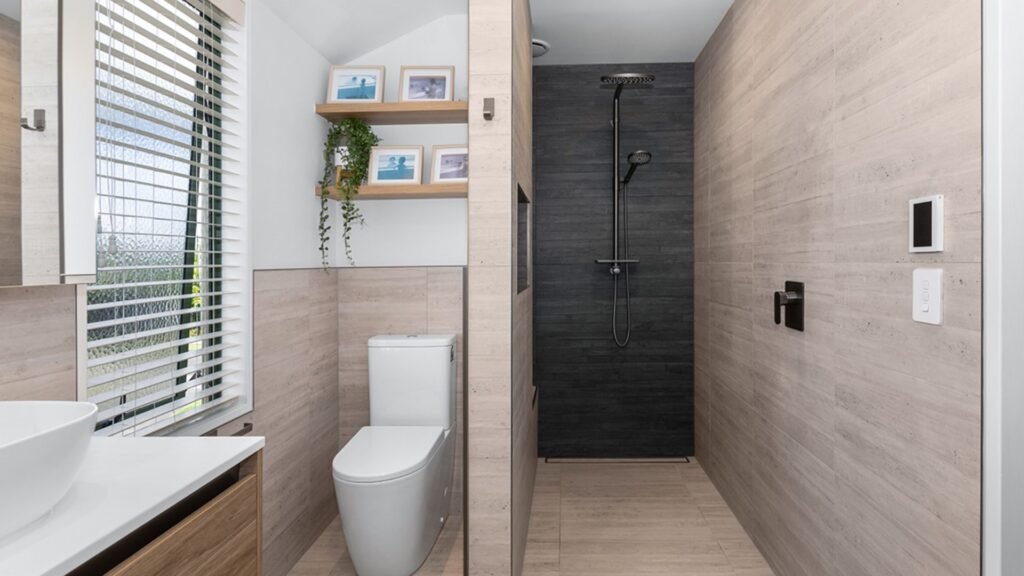
Welcome! If you’re considering home remodeling contractors cost Kapiti, you’ve come to the right place. Our guide is designed to help Kapiti Coast residents understand the renovation process, manage costs effectively, and avoid unexpected expenses. Whether it’s a kitchen renovation, bathroom upgrade, or a full house renovation, we’re here to support you every step of the way on your renovation journey. Let’s turn your dream home into reality with trusted professionals and smart planning.
Table of Contents
Key Takeaways
- Kapiti Coast home remodeling contractors typically charge NZD $90–$130+ GST per hour for licensed builders, with project costs ranging from NZD $25,000–$60,000 for partial remodels to NZD $180,000–$350,000+ for full house renovation work.
- Major cost drivers specific to Kapiti include coastal weatherproofing requirements, challenging site access in areas like Paekākāriki and Pukerua Bay, older housing stock throughout Raumati and Paraparaumu, and council fees from Kāpiti Coast District Council.
- Getting at least three detailed, itemised quotes from local Kapiti remodel contractors is essential to avoid costly surprises and budget blowouts.
- Always maintain a 10–20% contingency fund and confirm in writing who manages consents, inspections, and coordination of subcontractors before signing any contract.
- Understanding your renovation costs upfront, including hidden costs like asbestos removal and moisture repairs, can make all the difference between a successful project and a financial nightmare.
Average Cost Of Home Remodeling Contractors On The Kapiti Coast
This section provides concrete 2026 price ranges specifically for kapiti coast residents rather than generic New Zealand figures. Local conditions, from coastal exposure to the age of housing stock, significantly influence what you’ll pay for your renovation project.
Typical contractor hourly rates in Kapiti include:
- Licensed building practitioners: NZD $90–$130+ GST per hour
- Project manager fees: NZD $110–$150+ GST per hour
- Apprentices and labourers: NZD $50–$70+ GST per hour
- Note that complex coastal sites or steep terrain typically trend toward the higher end of these ranges
Partial remodel project ranges for single-area work:
- Kitchen renovation, bathroom, or living area remodels: NZD $25,000–$60,000
- This typically includes labour costs, standard materials, and basic consents where required
- Material costs for mid-range finishes represent roughly 40–50% of the total
Whole-house remodeling ranges in 2026:
- Basic internal refresh of a 120–160m² Kapiti home: NZD $120,000–$200,000
- Full structural reconfiguration with weather-tightness upgrades: NZD $180,000–$350,000+
- The condition and age of the existing structure significantly increase costs when major renovations uncover hidden issues
Per-square-metre guide for full remodels:
- Standard interior work: NZD $2,200–$3,500 per m²
- Coastal-exposed properties in Waikanae Beach or Raumati South: NZD $3,500–$4,500 per m²
- Higher costs reflect quality cladding, corrosion-resistant fixings, and upgraded joinery to handle salt air
When comparing quotes, always ask whether the estimate is labour-only, labour plus standard materials, or full turnkey including consents, design work, and project management. This distinction can represent a 30–40% difference in your final costs.
Cost Breakdown By Type Of Remodeling Project (Kapiti Examples)
Here’s what Kapiti Coast homeowners typically pay in 2026 for the most common remodeling projects. These figures reflect local labour costs, material prices, and the specific requirements of building in a coastal environment.
Kitchen remodels represent one of the most popular home renovation projects:
- Modest kitchen refresh with new benchtops, cabinet repainting, and mid-range appliances: NZD $28,000–$45,000
- Full custom kitchen with new layout, plumbing relocation, and high-spec finishes: NZD $45,000–$80,000+
- Premium stone benchtops alone can add NZD $8,000–$15,000 to your budget
Bathroom renovations range widely based on scope:
- Cosmetic upgrade in a typical Paraparaumu or Ōtaki home: NZD $18,000–$28,000
- Full gut and reconfiguration with tiled shower, underfloor heating, and new ventilation: NZD $30,000–$45,000+
- Replacing bathroom fixtures with quality fittings typically adds NZD $3,000–$8,000
For more detailed guides on home improvement topics, including renovation costs and tips, visit our blog.
Living and dining room conversions vary by structural complexity:
- Removing non-loadbearing walls, re-lining, new lighting, and replacing flooring in a 1970s house: NZD $25,000–$60,000
- Structural wall removal with steel beams and engineering certification: NZD $45,000–$90,000+
- Open-plan conversions require building consent for any structural work
Bedrooms and interior refreshes offer more modest costs:
- Per-bedroom work including painting walls, new carpet, wardrobe systems, and minor electrical upgrades: NZD $8,000–$20,000
- Adding insulation and double glazed windows increases this to NZD $15,000–$30,000 per room
- Double glazing alone typically costs NZD $800–$1,500 per window installed
Exterior upgrades often accompany interior remodeling:
- New decks and outdoor living spaces: NZD $18,000–$60,000+
- Cost depends on size, hardwood versus pine construction, and engineering for wind and seismic loads
- Outdoor spaces require particularly durable materials in Kapiti’s salt-laden air
A typical example from the region: a 1980s Paraparaumu three-bedroom home requiring a full internal remodel with new kitchen and bathroom renovations, updated electrical, and interior refresh commonly runs NZD $150,000–$220,000, depending on the condition discovered once walls are opened.
Local Kapiti Factors That Push Remodeling Contractor Costs Up Or Down
While national renovation guides provide useful benchmarks, the kapiti coast has specific conditions that materially affect what contractors charge and how long projects take. Understanding these factors helps you set realistic expectations and budget appropriately.
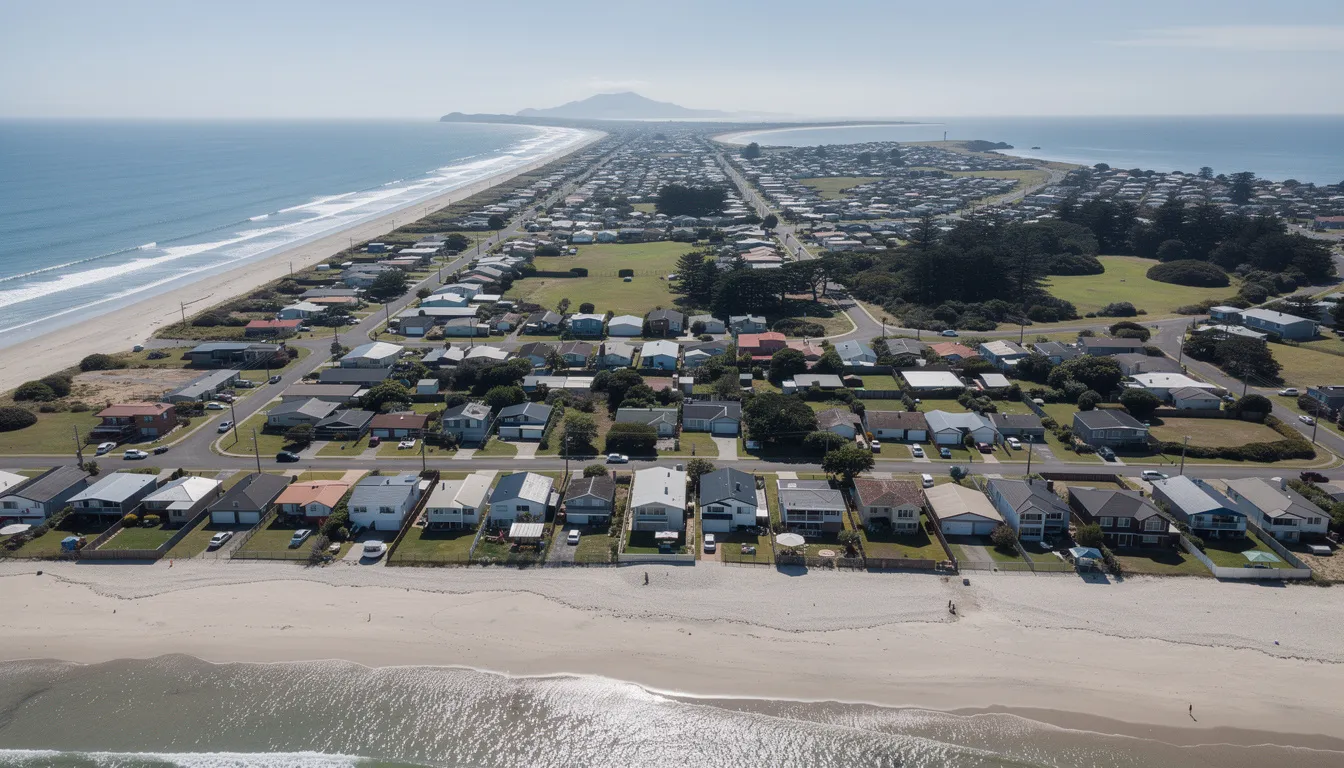
Coastal exposure significantly impacts material specifications. Homes in Waikanae Beach, Raumati Beach, and Pukerua Bay often require higher-spec cladding systems, marine-grade stainless steel fixings, and better-quality joinery. This can add 10–25% to any exterior-related remodeling work. The 1990s–2000s leaky home crisis taught New Zealand builders hard lessons about moisture management in coastal areas, and current building codes under E2/AS1 mandate cavity-based cladding systems and breathable membranes.
Site access and terrain create real cost pressures. Steep or tight sites common in Paekākāriki hillside properties or older parts of Raumati South can significantly increase labour hours. Scaffolding costs escalate on multi-level properties, and crane or hiab use for material delivery can add thousands to contractor quotes. Some properties require temporary road closures or special access arrangements.
The age and construction style of Kapiti homes presents challenges. Many houses built between the 1950s and 1970s used weatherboard and fibre-cement construction that may require rewiring, insulation upgrades, and moisture repairs once walls are opened. Foundation repairs and structural repairs are common discoveries in this era of housing. Contractors factor these risks into contingency allowances, and experienced local builders know which construction methods typically hide problems.
Kāpiti Coast District Council consents add time and cost. Building consent and inspection fees for structural changes, decks above 1.5m, and alterations to plumbing or electrical systems typically add several thousand dollars and several weeks of approval time. Council consent applications require detailed documentation, and failed inspections can cause expensive delays.
Demand and seasonality affect pricing. Kapiti remodel contractors are often busiest from September to March when weather is more stable for exterior work. Some contractors offer sharper pricing for winter start dates if homeowners can tolerate working around the construction process during cooler months.
Many Kapiti contractors also service north Wellington and Horowhenua regions, which means travel and scheduling constraints can influence labour costs and start dates. Local contractors with established teams in the area often prove more competitive than those travelling from Wellington. If you’re considering bathroom renovations, check out these bathroom renovation ideas for NZ homes to help plan your project efficiently.
Typical Contractor Cost Structure In Kapiti (How Quotes Are Built)
Understanding how Kapiti remodeling contractors structure their pricing helps you question each line item and compare quotes effectively. This knowledge can help you save money and avoid unexpected expenses when your renovation journey begins.
Common quote components include:
- Site preparation and temporary protection
- Demolition and waste removal
- Carpentry and framing
- Plumbing and electrical upgrades
- Plastering, painting, and finishing
- Flooring installation
- Fixtures and fittings
- Project management and administration
- Council-related costs including consent applications and inspection fees
Fixed-price versus charge-up contracts serve different purposes. A fixed-price contract works well for clearly defined work like a straightforward kitchen renovation where the scope is certain. Charge-up or cost-plus contracts suit older homes with uncertain structural conditions where contractors cannot accurately predict what they’ll find. Most experienced Kapiti contractors prefer fixed-price for cosmetic work and charge-up for anything involving opening walls in pre-1990s homes.
Allowances and PC (Prime Cost) sums require careful attention. Provisional cost items for tiles, appliances, or bathroomware may be set at mid-range figures, perhaps NZD $80–$120 per square metre for tiles. If you choose premium products, costs increase accordingly. A qualified builder will clearly identify which items are allowances versus fixed prices in their quote.
Line items commonly overlooked include:
- Scaffolding and temporary weather protection, particularly important given Kapiti’s approximately 1,200mm annual rainfall
- Waste removal and skip bin costs
- Temporary power connections and site toilets for larger projects
- Travel time for contractors and materials delivery
Before signing any contract, confirm in writing whether the price includes architect or designer fees, structural engineering, and coordination of subcontrades like plumbers, electricians, and tilers. Some contractors work closely with trusted professionals as a complete team, while others expect homeowners to manage multiple contractors directly.
The difference between a quote that includes project management and one that doesn’t can represent 10–15% of the total cost, plus significant stress during your renovation process.
Hidden Or Often Overlooked Costs In Kapiti Home Remodeling
Kapiti homeowners frequently underestimate several cost categories that can blow budgets and extend timelines. Planning ahead for these possibilities helps you avoid costly mistakes and maintain your contingency budget for genuine emergencies.
Asbestos and hazardous materials present real risks in older homes. Many 1960s–1980s Kapiti houses contain asbestos in soffits, old vinyl flooring, textured ceilings, or roofing materials. Removal by licensed contractors often costs NZD $2,000–$15,000+ depending on scope and location. Testing before you finalise your renovation plans costs only a few hundred dollars and can prevent nasty surprises.
Moisture, rot, and leaky building details cause the most significant budget overruns. Coastal wind-driven rain means hidden rot around windows, decks, and bottom plates is surprisingly common. Repairs can add NZD $5,000–$40,000 or more once discovered mid-remodel. One Waikanae Beach project in a 1975 home discovered rotten floor joists during a bathroom renovation, adding NZD $18,000 and three weeks to the timeline.
Temporary accommodation and storage create ongoing expenses. If a full-home remodel makes your house unliveable, budget several hundred to a few thousand dollars per month for rental accommodation, holiday park cabins, or staying with family. Storage for furniture and belongings adds further costs. Staging work in phases can reduce this need but extends overall project duration.
Power, water, and site setup often appear as separate charges. Temporary power connections, portable toilets, site fencing, and security may be charged separately by Kapiti contractors, especially on larger remodels and extensions. These can add NZD $2,000–$8,000 to a major project.
Design and consent variations trigger additional fees. Changes requested after council consent is lodged lead to extra designer fees, new engineering calculations, and council re-submission costs. Each variation typically costs NZD $500–$2,000+ depending on complexity. Unforeseen expenses of this type can be minimised by finalising your concept plans thoroughly before submitting for approval.
Additional costs that catch homeowners off-guard include:
- Electrical upgrades required to meet current building codes when touching existing wiring
- Structural repairs discovered behind wall linings
- LED lighting and energy efficiency improvements required by Healthy Homes Standards
- Retaining walls needed for any ground level changes
How To Get Accurate Quotes From Kapiti Home Remodeling Contractors
Getting comparable, accurate quotes requires preparation and systematic comparison. This practical guide helps you work with Kapiti-based remodelers effectively from first contact.
Prepare a clear written brief before contacting contractors. Include photos of the spaces you want to renovate, rough measurements, and a priority list separating must-haves from nice-to-haves. This helps contractors understand your dream renovation and provide realistic pricing. Sketch out renovation plans even roughly to communicate your vision.
Collect at least three itemised quotes from local firms. Choose contractors who regularly work in Kapiti rather than relying solely on Wellington-based businesses. Local operators understand site access challenges, council consent requirements, and what works in the coastal environment. Their quotes will capture realistic travel and scheduling costs.
Specify what you want included in each quote:
- Hourly labour rates and estimated total hours
- Materials quality and specific brands
- Waste disposal and skip bins
- Scaffolding and temporary protection
- Council consent application and inspection fees
- Project management or administration fees
- Timeline with key milestones
Ask about scheduling realities. Request each contractor’s start date availability, estimated duration, and how they handle delays from weather or council inspections. Kapiti’s weather can pause exterior work for days at a time, and understanding how contractors manage this prevents disputes.
Create a comparison checklist to ensure quotes are truly comparable. Check that scope, inclusions, PC sums, and warranties are equivalent across all quotes. A quote that appears NZD $20,000 cheaper may simply exclude items others have included.
Verify contractor credentials before making your decision:
- Licensed Building Practitioner status (check the LBP register)
- Public liability and contract works insurance
- Recent Kapiti references you can contact
- Photo portfolios of similar remodels
- Membership in organisations like the Registered Master Builders Association or Certified Builders Association
Strategies To Control Remodeling Costs Without Cutting Quality
Controlling costs doesn’t mean cutting corners renovating or compromising on durability. These practical approaches help Kapiti homeowners get value while maintaining compliance and weather-resistance in the coastal environment.
Retain existing layouts where structurally and functionally sensible. Kitchen and bathroom renovations that keep plumbing in existing locations avoid major pipe relocations, which are labour-intensive and consent-heavy. Moving a kitchen sink one metre can add NZD $2,000–$5,000 in plumbing work alone.
Reuse or refurbish sound existing elements. Solid timber doors, native timber floors, and good-condition framing can be retained and restored rather than replaced. Invest saved funds in weather-tightness and insulation, which are crucial in Kapiti’s climate and increasingly required for resale value and Healthy Homes compliance.
Source materials through local Kapiti and Wellington suppliers. Local stock reduces freight delays and costs, and suppliers understand which products perform well in salt-laden air. Existing fixtures in good condition can often be retained with new accessories or refinishing.
Handle only genuinely safe DIY tasks yourself:
- Interior painting after professional preparation
- Basic landscaping and garden work
- Demolition of non-structural elements under contractor guidance
- Cleaning and site tidying
Leave electrical upgrades, plumbing, and structural work to licensed Kapiti professionals. Building codes in New Zealand require qualified tradespeople for this work, and non-compliant work creates problems for insurance and future resale.
Consider strategic timing for your project. Scheduling larger works outside peak summer can provide access to sharper pricing from contractors with more flexibility in late autumn and winter. The trade-off is potentially slower progress during wet periods.
Build a genuine contingency fund of 10–20%. Avoid frequent design changes mid-build, which cause variation charges and timeline slippage. Make decisions on bathroom fixtures, colours, and layouts before the construction process begins, not during.
Working Effectively With Your Kapiti Remodeling Contractor
Good communication and clear documentation keep strategic renovations on time and budget. These practices help you work closely with contractors and achieve your dream home without unnecessary disputes.
Insist on a detailed contract before any work begins. Your contract should cover:
- Complete scope of work with specifications
- Payment schedule tied to milestones
- Process for handling variations and extra costs
- Warranties on workmanship and materials
- Who manages Kāpiti Coast District Council consents and inspections
- Dispute resolution process
- Timeline with start and expected completion dates
Establish regular communication rhythms. Weekly on-site or video check-ins with your contractor or project manager help you review progress, make decisions promptly, and identify emerging cost issues early. Trusted professionals appreciate engaged clients who make timely decisions.
Document all changes in writing. Any variation from the original scope should be recorded via email or formal variation form with clear pricing and time impact before work proceeds. This protects both parties and prevents disputes about what was agreed.
Make prompt decisions on fixtures and finishes. Delays in choosing tile colours, benchtop materials, or bathroom fixtures can stall the construction process. Contractors in Kapiti book subcontrades weeks in advance, and last-minute changes require expensive rebooking or cause gaps in workflow.
Respect site rules and maintain good relationships. Understanding access hours, safety requirements, and practical matters like parking and pet management helps maintain productive working relationships. Minor repairs to relationships are much easier than major repairs to contracts.
Keep a project file for future reference. Store all contracts, plans, consent documents, warranties, invoices, and correspondence in one location. This documentation proves invaluable for insurance claims, future resale, and any warranty issues with your house renovations.
The best Kapiti renovation projects feature homeowners and contractors working as partners, with clear communication, mutual respect, and shared commitment to getting your house ready to the standard you deserve.
FAQ: Home Remodeling Contractor Costs Kapiti
What is a realistic budget to remodel an older 3-bedroom home in Paraparaumu or Raumati in 2026?
For an internal remodel including new kitchen, bathroom updates, and interior refresh in a typical 1970s–1980s three-bedroom home, budget NZD $140,000–$260,000. The final figure depends heavily on structural condition, extent of electrical and plumbing work required, and your finish selections. Homes with moisture damage, asbestos, or outdated wiring trend toward the higher end. Getting the property values right means investing appropriately in quality work rather than significantly increasing scope mid-project.
Do Kapiti remodeling contractors include council consent fees in their prices?
Some do and some don’t, which makes confirming this essential before comparing quotes. Council fees for a mid-sized renovation project typically range from NZD $2,500–$8,000 depending on the value and complexity of work. This covers application processing, plan reviews, and inspection fees throughout the build. Some contractors include consent management in their project management fee while others treat it as a pass-through cost.
How far in advance should I book a Kapiti home remodeling contractor?
Reputable Kapiti contractors typically have lead times of 2–6 months for major renovations, extending longer for large extensions. Plan smarter by starting design and consent work early, even before you’ve locked in a contractor. This allows the building consent process to run in parallel with contractor scheduling. Early engagement also helps you reduce costs by giving time to refine plans before commitment.
Can I live in my Kapiti house during a major remodel?
This depends on scope and your tolerance for disruption. Single-room renovations like a bathroom or kitchen are usually manageable with careful planning. Full internal remodels often require temporary accommodation for at least part of the project, particularly during electrical upgrades, flooring work, or when dust and noise make the space unliveable. Staging work in phases can reduce temporary accommodation needs but extends overall duration and may increase total costs by 5–10%.
Are there specific materials better suited to Kapiti’s coastal climate?
Absolutely. For the building industry in coastal Kapiti, specify:
- Stainless steel or hot-dip galvanised fixings (not standard zinc-plated)
- Quality exterior paint systems rated for marine environments
- Cavity-based cladding systems meeting E2/AS1 requirements
- Aluminium joinery with appropriate corrosion protection
- Decking in naturally durable timbers or quality composite materials
These choices may cost more upfront but deliver dramatically better durability and reduce long-term maintenance. Your qualified builder should be recommending coastal-appropriate specifications as standard practice for any exterior work.
Do I need building consent for my renovation?
Yes, many renovations require building consent, especially if they involve structural changes, plumbing, or electrical work. It’s important to check with your local council before starting your project.
How long does a typical renovation take?
Renovation timelines vary widely depending on the size and complexity of the project. Minor renovations may take a few weeks, while major renovations can extend over several months.
What hidden costs should I prepare for?
Hidden costs can include temporary accommodation if your home becomes unlivable during renovations, waste removal fees, asbestos removal, structural repairs, and design or consent fees. Planning ahead helps avoid surprises.
What is the average cost to update a standard 3-bedroom home in Kapiti?
A full update of a standard 3-bedroom home typically ranges from $100,000 to $180,000, depending on the scope and materials chosen.
How much do home renovations cost per square metre in New Zealand?
Most home renovations in New Zealand cost between NZD $2,000 and $4,000 per square metre including GST, with Kapiti renovations typically ranging from $2,000 to $5,000 per square metre depending on project specifics.
Are there additional costs for older homes?
Yes, homes built before 1990 may require asbestos removal costing between $5,000 and $15,000, and full electrical rewiring which can range from $8,000 to $20,000.
What is the typical cost for kitchen renovations?
Kitchen renovations usually cost between $15,000 for basic updates and over $50,000 for high-end custom designs.
How much do architectural, engineering, and consent fees add to the budget?
These professional fees generally range from $1,000 to $5,000 depending on the complexity of the renovation.
What about bathroom renovation costs?
Bathroom renovations typically cost between $10,000 for basic refreshes and over $30,000 for luxury upgrades such as underfloor heating.
How do labour rates affect renovation costs in Kapiti?
Labour rates vary by region and demand. In Kapiti, electricians charge between $85 and $110 per hour, while plumbers charge between $90 and $120 per hour. Labour can account for 30–50% of the total renovation budget.
Can I save money by doing some work myself?
Yes, you can save on labour costs by handling non-structural and non-specialized tasks like painting or demolition yourself, but always leave electrical, plumbing, and structural work to licensed professionals.
What qualifications should I look for in contractors?
Choose contractors with relevant qualifications such as the National Certificate in Carpentry, Licensed Building Practitioner status, and membership in professional bodies like the Registered Master Builders Association. Verify they carry current public liability and construction insurance.
How can I ensure I get a fair price?
Obtain at least three detailed, itemised quotes from local licensed builders. Make sure quotes include labour, materials, permits, and project management fees for accurate comparison.
Why is local knowledge important for Kapiti renovations?
Local builders understand Kapiti’s unique climate challenges, such as high humidity and salt-laden winds, which affect material choices and construction techniques, ensuring durability and compliance.
How can I track my renovation expenses effectively?
Using budgeting tools or apps can help you monitor costs more efficiently than manual tracking, helping you stay within your contingency budget.
What is a reasonable contingency fund?
Setting aside 10–20% of your total budget as a contingency fund is advisable to cover unexpected expenses like structural repairs or failed inspections.
Should I visit previous projects completed by builders?
Yes, visiting completed projects or reviewing portfolios helps you assess workmanship quality and gives confidence in your contractor choice.
How do renovations affect resale value?
Well-executed renovations, especially kitchen and bathroom upgrades, can significantly increase a home’s resale value, particularly in competitive markets.
What should be included in a detailed contract?
A detailed contract should outline the full scope of work, payment schedule, variation procedures, warranties, who manages consents and inspections, and dispute resolution processes.
Is communication important during the renovation process?
Absolutely. Regular communication with your contractor helps manage expectations, resolve issues promptly, and reduces stress throughout your renovation journey. It’s also important to understand your project’s responsibilities and policies to ensure a smooth process.
What is the typical cost to renovate a standard 3-bedroom home in Kapiti?
A full internal renovation of a standard 3-bedroom, 100m² home generally starts at $80,000 to $120,000. Costs vary depending on the scope, materials, and condition of the existing structure.
How much do architectural, engineering, and consent fees usually cost?
Architectural, engineering, and consent fees typically range between $1,000 and $5,000 depending on the complexity of the renovation project.
Can high-end architectural renovations exceed typical budgets?
Yes, high-end architectural renovations for a standard 3-bedroom home often exceed $300,000 due to premium materials, custom designs, and extensive structural work.
What are the costs for minor updates like painting or flooring?
Minor updates such as painting or replacing flooring may cost under $20,000, offering a cost-effective way to refresh your home without major construction.
How much can a full house renovation cost?
Full house renovations can exceed $250,000, especially when involving multiple rooms, structural changes, and high-quality finishes.
Do labour rates vary across New Zealand?
Yes, labour rates vary depending on region and demand, with urban centres typically having higher hourly rates due to increased living costs.
What hidden costs should homeowners be aware of?
Hidden costs may include temporary accommodation, waste removal, design fees, asbestos removal, structural repairs, and increased labour rates for urgent or after-hours work.
How can bathroom upgrades impact my home?
Bathroom upgrades can significantly enhance both comfort and property value, making them a popular renovation choice.
Do full house renovations require building consent?
Yes, full house renovations often involve multiple rooms and structural work, which usually require building consent from local councils.
Can I save on labour costs by doing some work myself?
You can save on labour costs by handling non-structural and non-specialized tasks such as demolition or painting yourself, but electrical, plumbing, and structural work should be left to licensed professionals.
How much should I budget for unexpected renovation surprises?
It is wise to budget an extra $5,000 to $20,000 for unforeseen issues like borer damage, rot, or other hidden repairs during your renovation.
What are typical council consent fees for renovations?
Council consent fees for structural changes or new plumbing typically range from $1,800 to $5,000+, depending on the scope and location.
How much do professional fees for architects or designers add to the budget?
Professional fees usually range from 8–15% of the total project cost, covering design, planning, and consultation services.
Why is it important to include council fees in my renovation budget?
Many homeowners overlook council fees, which can quickly add thousands to the total cost and cause delays if not planned for.
How do I ensure quality assurance when hiring builders?
Check if builders are members of professional associations like the Registered Master Builders Association, which signifies adherence to industry standards.
Why should I get multiple quotes from licensed builders?
Getting at least three detailed, itemised quotes helps you compare labour costs, material prices, and project timelines to avoid overpaying and ensure transparency.
Conclusion
Navigating home remodeling contractors cost Kapiti can feel overwhelming, but with the right knowledge and preparation, your renovation journey can be smooth and rewarding. Understanding the local factors that influence renovation costs, from coastal weatherproofing to council consent fees, helps you plan smarter and avoid costly surprises. Always obtain multiple detailed quotes from licensed building practitioners and trusted professionals to ensure transparency and fair pricing.
Maintaining a contingency fund of 10–20% is essential to cover unexpected costs such as structural repairs, asbestos removal, or temporary accommodation. Prioritising effective project management and clear communication with your contractor will keep your renovation on track and within budget.
Whether you’re planning a kitchen renovation, bathroom upgrade, or a full house renovation, focusing on quality workmanship, energy efficiency, and strategic renovations will significantly increase your home’s value and comfort. By working closely with qualified builders familiar with Kapiti Coast’s unique building codes and climate challenges, you can transform your dream home into reality while safeguarding your investment.
Remember, careful planning, realistic expectations, and collaboration with experienced professionals make all the difference in achieving a successful home renovation. Start your project with confidence, and enjoy the benefits of a beautifully renovated home tailored to your lifestyle and the unique character of the Kapiti Coast.